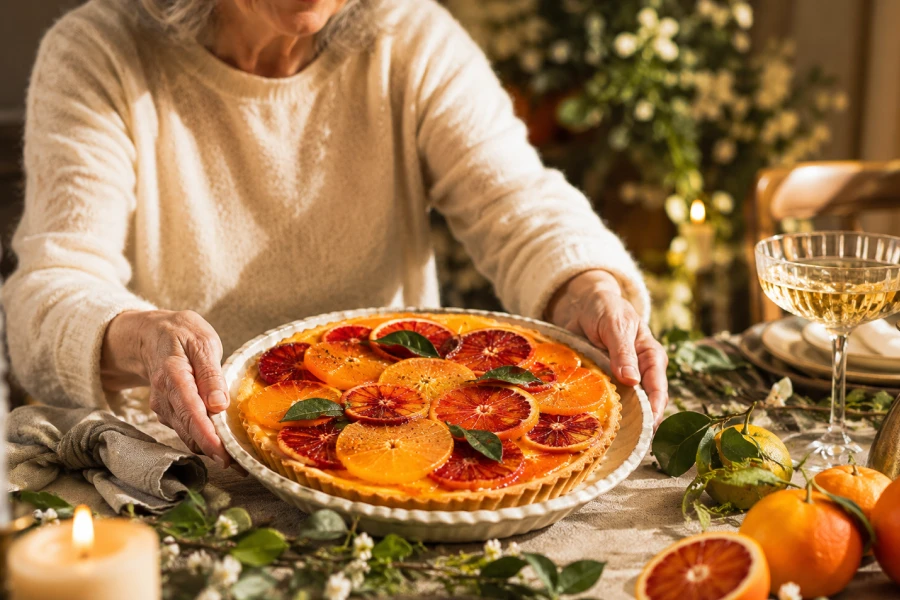
Cold-weather baking does not need to stay heavy and dark. Winter citrus desserts bring brightness to the table when days feel muted. Their lively aroma changes the mood of a kitchen before the oven even warms. Lemon, orange, grapefruit, and lime each offer a different kind of lift. A little zest can make butter, sugar, and spice taste more awake. A fresh citrus dessert inspiration approach helps you choose projects that feel seasonal without becoming complicated. Start with the fruit that looks and smells its best. Then build a dessert around its strongest quality. The result can be cozy, sunny, and completely at home in winter.
Winter citrus desserts make cold weather feel lighter because they balance rich seasonal flavors. Their acidity keeps buttery cakes and creamy fillings from tasting too dense. Orange brings warmth and gentle sweetness to spiced bakes. Lemon offers sharper brightness for glazes and tarts. Grapefruit can bring a more grown-up bitterness when paired carefully. Citrus also works beautifully with vanilla, almond, chocolate, and ginger. That range makes it useful across many kinds of dessert. Start with a familiar bake, then add one citrus element. A simple change can create a completely different feeling. The season becomes brighter without losing its comfort.
Balance matters more than making every bite as tart as possible. Sugar should soften citrus, not erase its character. Butter and dairy can round off sharp edges. Spices add warmth that makes acidity feel more welcoming. Choose the fruit according to the dessert’s structure. Use orange cake ideas when you want a softer, sweeter citrus direction. Reach for lemon when a glaze or curd needs definition. Grapefruit works best with enough sweetness to support its bitterness. Taste the fruit before deciding how much juice or zest to use. That first step helps the dessert stay balanced rather than merely bold.
Winter citrus desserts benefit from textures that make their brightness feel cozy. Tender cakes, shortbread, custards, and soft muffins all welcome citrus easily. A crisp crumble can add contrast to a creamy lemon filling. Candied peel adds chewiness and visual depth to a simple loaf. Zest brings aroma without introducing extra liquid. Juice adds flavor but can affect the structure of batter and dough. Use both with intention instead of treating them as interchangeable. A gentle texture lets citrus remain the focal point. It also makes the dessert feel comforting on a cold day. That combination is what gives winter baking its special charm.
The fragrance of citrus does much of the emotional work in a winter kitchen. Zest releases bright oils as you grate it into a bowl. Orange peel warming with cinnamon can make a room feel immediately inviting. Lemon and vanilla create a cleaner, softer aroma. A few lemon baking techniques can help preserve that fragrance through the full bake. Add zest to sugar before mixing to release more aromatic oils. Rub it gently with your fingertips until the sugar becomes damp and scented. That small step makes flavor feel more present. Aroma prepares people for the dessert before they take a bite. It is a quiet but powerful part of seasonal baking.
Winter citrus desserts offer a fresh finish after meals that lean rich and savory. A lemon bar can cut through the heaviness of a long dinner. Orange cake feels festive without relying on dense frosting. Grapefruit can make a simple broiled fruit dessert feel elegant. These options are especially useful when you want something sweet but not overwhelming. Keep toppings simple so the fruit still has room to speak. A dollop of cream, a dusting of sugar, or a scattering of nuts may be enough. Brightness can feel more luxurious than excess. It gives the final course a sense of movement. Guests leave with a cleaner, more memorable impression.
Winter citrus desserts make everyday baking feel seasonal without creating unnecessary pressure. You can start with a basic loaf, muffin, or cookie recipe. Then add zest, a glaze, or a citrus-sugar topping. A few grapefruit dessert ideas can encourage a more adventurous direction when you are ready. Keep the first experiment small enough to feel relaxed. Notice how the fruit changes the smell, color, and finish. Repeat the combinations that your household enjoys most. Seasonal baking becomes a rhythm rather than a performance. That is what makes it sustainable through the whole winter. A bright dessert can become one of the season’s easiest pleasures.
Citrus has a way of making familiar sweets feel newly awake. It brings fragrance, color, and a clean finish to comforting bakes. Start with ripe fruit and a simple dessert structure. Add enough richness to support the acidity. Let the flavor remain clear instead of burying it under too many extras. Small choices, such as zesting sugar or balancing a glaze, matter greatly. The best results feel bright but still comforting. That balance is especially welcome during gray winter weeks. One citrus dessert can shift the mood of an entire afternoon. It is a little burst of sunshine from your own oven.




Leave a comment