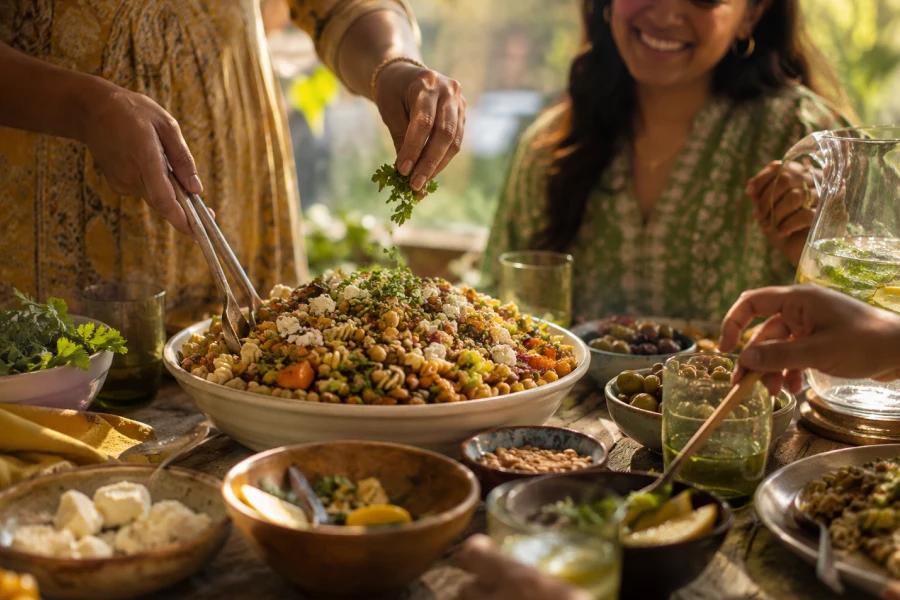
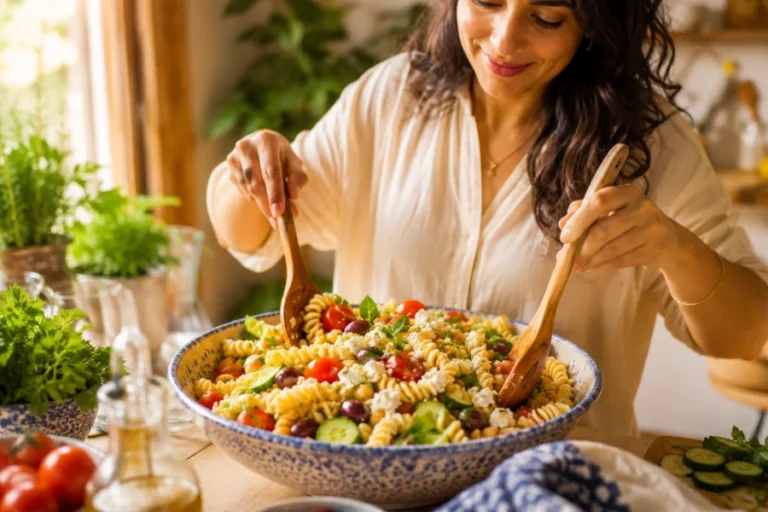
The most useful lunch formulas are the ones that invite change. Pasta salad variations make one dependable format feel new again and again. You can move from Mediterranean flavors to crunchy vegetable bowls without changing the basic method. That flexibility is especially helpful when groceries are uneven or leftovers need a purpose. Begin with pasta, then choose a theme rather than a crowded list. The right pasta texture tips make the structure more dependable from the start. Use ingredients with different shapes, colors, and temperatures. Keep the dressing connected to the chosen mood. Then let the bowl evolve around what is already available.
Pasta salad variations get more interesting when contrast appears in every forkful. Combine soft pasta with crisp vegetables or toasted toppings. Pair creamy cheese with sharp pickles or fresh herbs. Add something sweet when the bowl leans salty or spicy. A small contrast keeps the whole dish from feeling flat. It also encourages you to use ingredients in new combinations. Think about texture before adding another flavor. One crunchy detail often improves a bowl more than three new seasonings. Balance is what makes variety feel intentional. With that foundation, simple ingredients gain more personality.
One ingredient can set the mood for the entire bowl. Roasted peppers suggest a smoky, savory direction. Crisp apples point toward a sweet-tangy combination. Basil calls for tomatoes, mozzarella, and bright acidity. Chickpeas make the salad feel heartier and more meal-like. Start there, then choose the dressing and supporting ingredients. Try custom salad formulas when you want a repeatable way to build around a central ingredient. That framework prevents the bowl from becoming accidental. It also makes shopping lists easier to shape. One clear idea creates more useful choices than a pile of random additions.
Pasta salad variations are easier when you build in layers. Start with the cooked pasta and the main dressing. Next, add ingredients that can absorb flavor, such as beans or roasted vegetables. Fold in crisp vegetables after the base is coated. Save herbs, crunchy toppings, and tender greens for the end. This order protects texture and keeps the presentation lively. It also lets you taste before everything is mixed together. Adjust salt and acidity in small increments. Layering creates better control without adding more work. The bowl stays balanced from the first serving to the last.
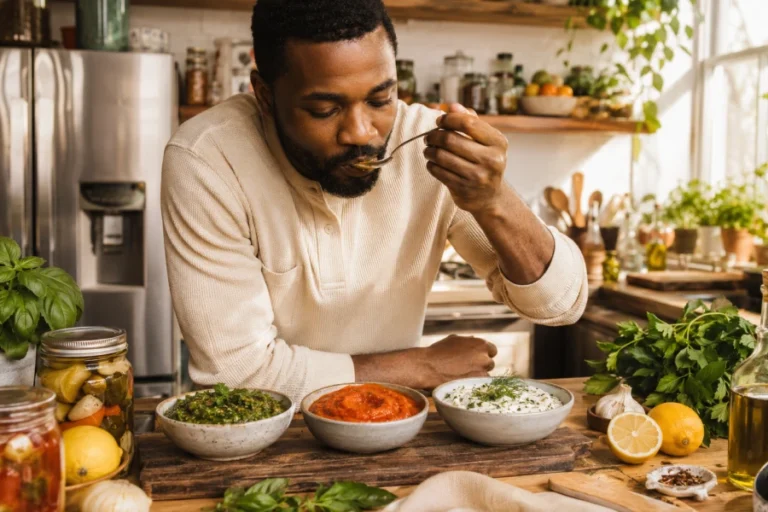
A familiar bowl can still surprise people when one detail changes. Add toasted seeds for a nutty note. Use a different vinegar for a subtler kind of brightness. Try roasted grapes, charred corn, or pickled onions for contrast. Replace one cheese with another that has a different level of salt. Ask for AI recipe brainstorming ideas when you need fresh combinations from ingredients on hand. Treat the suggestions as prompts, not commands. Choose the version that sounds appealing and realistic. A small change often creates the most memorable result. That is how routine food keeps its sense of discovery.
Pasta salad variations work for quiet lunches and big tables because the format scales naturally. A small batch can become two workday meals. A larger bowl can anchor a casual gathering without much stress. Choose sturdy ingredients when the salad needs to travel. Use delicate toppings at the last moment when appearance matters. Add protein when the bowl needs to stand alone. Keep the flavor straightforward when serving many people. Offer a bright finishing element for guests who want more punch. This kind of flexibility makes the dish especially useful for entertaining. It feels generous without demanding perfection.
Pasta salad variations keep creativity practical because they depend on a familiar base. You do not need a new technique every time inspiration changes. Keep a few short pastas, dressings, and add-ins available. Then change the vegetables, herbs, or protein according to the week. A list of crowd-friendly pasta sides can also offer ideas when you are feeding others. Choose one that suits the season and your schedule. Repeat the structure while varying the flavor story. That balance makes creativity more sustainable. It gives you options without asking for extra complexity.
Pasta salad becomes more useful when you stop seeing it as one specific recipe. It is a format that can hold many moods and ingredients. Start with a central idea, then build contrast around it. Use layers to protect texture and dressing to bring focus. Let leftovers become a source of possibility rather than a limitation. Small changes can make familiar meals feel different. A dependable method creates room for experimentation. That is valuable when lunch planning needs both ease and variety. With practice, your favorite combinations become personal signatures. The bowl keeps changing, while the process remains wonderfully simple.

Leave a comment